
The Haiti team examines and seeks to address inequality affecting women and girls with disabilities—specifically, how inequality can be addressed in policies and programs.
The team is analyzing policies, conducting research, and providing workshops to the community on topics such as gender equality, education, employment, gender-based violence prevention, and electoral participation.
Key Priorities
- Amend the 2012 Law for the Integration of Persons with Disabilities to reflect the recommendations of the UN CRPD, particularly on the inclusion of women and girls with disabilities, and ensure its subsequent implementation.
- Amend gender equality policy to include women and girls with disabilities and ensure its implementation.
- Make inclusive education more effective for women and girls with disabilities.
- Increase access to employment for women with disabilities.
- Increase the financial empowerment of women with disabilities in small businesses.
- Prevent various forms of violence against women and girls, and support their legal steps to obtain justice after the fact.
- Increase the participation of women with disabilities in the feminist movement and in Haitian electoral politics.
- Increase access to information for women with a range of disabilities.
- Strengthen the institutional capacity of women’s associations with disabilities.
Key Priorities
- Amend the 2012 Law on the Integration of Persons with Disabilities to reflect the recommendations of the UN CRPD, particularly on the inclusion of women and girls with disabilities, and ensure its subsequent implementation.
- Amend gender equality policy to include women and girls with disabilities and ensure its implementation.
- Make inclusive education more effective for women and girls with disabilities.
- Increase access to employment for women with disabilities.
- Increase the financial empowerment of women with disabilities in small businesses.
- Prevent various forms of violence against women and girls, and support their legal steps to obtain justice after the fact.
- Increase the participation of women with disabilities in the feminist movement and in Haitian electoral politics.
- Increase access to information for women with a range of disabilities.
- Strengthen the institutional capacity of women’s associations with disabilities.
About Disability in Haiti
For various reasons, there has been no general census done in Haiti since 2003. In 2003, 1.5% of the total population were considered disabled, 51.2% of whom were women (63,570 people), and 11.6% were under the age of 18 (14,447 people).
- Today, the UN suggests that approximately 1 million people in Haiti have disabilities (10% of the population). This is likely an underestimation of the actual proportion of the population living with major disabilities.
- A significant proportion (about 10%) of these disabilities were caused or worsened by the 2010 earthquake.
- In Haiti’s capital, Port-au-Prince, disability prevalence among women aged 5 and up is roughly 4.8%.
- Enquête Mortalité, Morbidité et Utilisation des Services reports that 28% of women over 15 years of age have a disability and 5% have a severe form of disability.

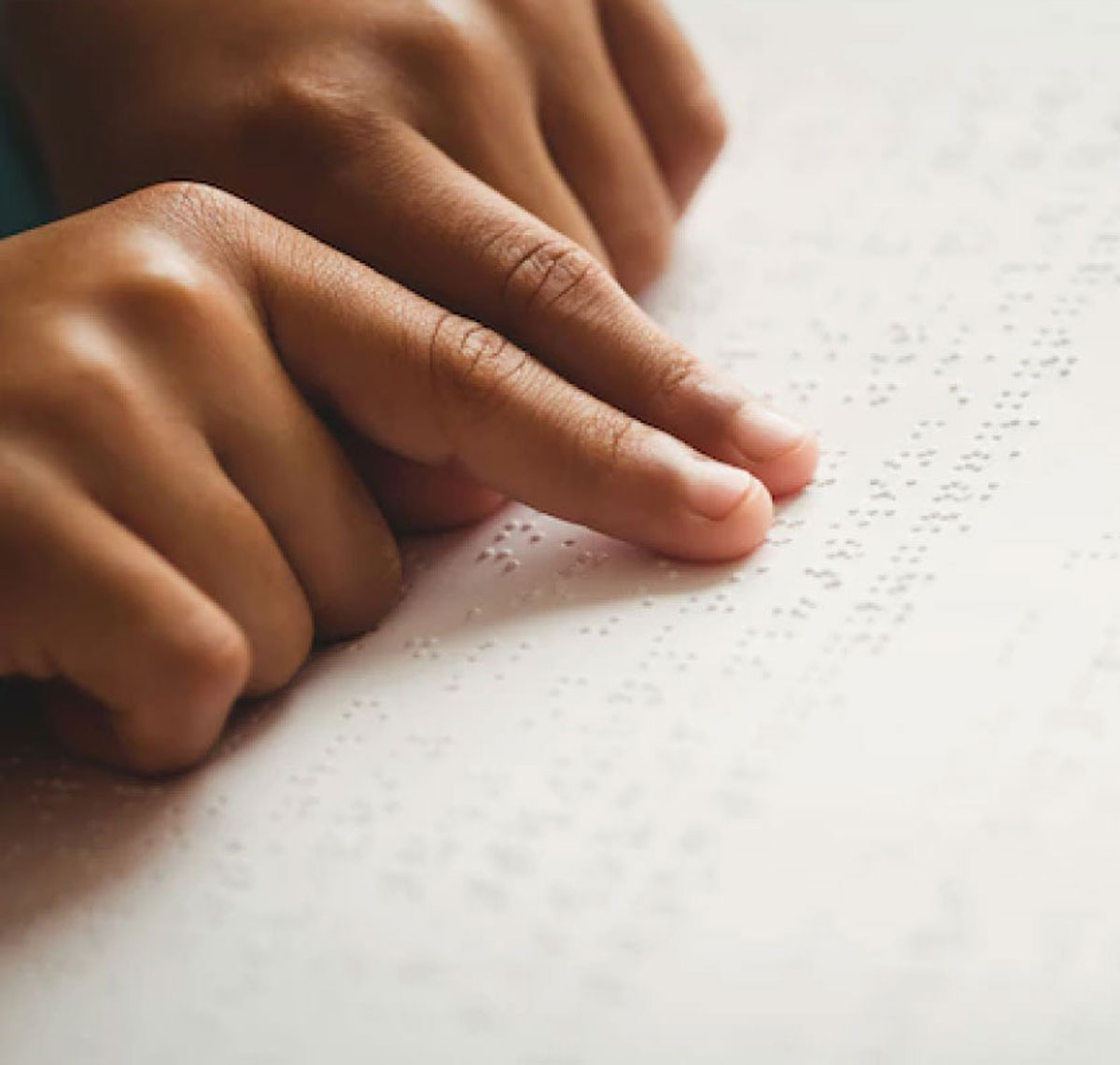
People with disabilities face barriers to working, such as the lack of accessible workplaces and limited access to education and training programs.
- Many people with disabilities in Haiti are unemployed, and many live in extreme poverty. In addition, women and girls with disabilities often face violence linked to their disability and their gender.
- The disability rights movement has built strong capacities and clear visions of alternative futures for people with disabilities.
- Women with disabilities have created new associations, yet their voices are only beginning to be heard by the government, as well as by the historic disability rights and feminist movements.
About Disability in Haiti
For various reasons, there has been no general census done in Haiti since 2003. In 2003, 1.5% of the total population were considered disabled, 51.2% of whom were women (63,570 people), and 11.6% were under the age of 18 (14,447 people).
- Today, the UN suggests that approximately 1 million people in Haiti have disabilities (10% of the population). This is likely an underestimation of the actual proportion of the population living with major disabilities.
- A significant proportion (about 10%) of these disabilities were caused or worsened by the 2010 earthquake.
- In Haiti’s capital, Port-au-Prince, disability prevalence among women aged 5 and up is roughly 4.8%.
- Enquête Mortalité, Morbidité et Utilisation des Services reports that 28% of women over 15 years of age have a disability and 5% have a severe form of disability.
People with disabilities face barriers to working, such as the lack of accessible workplaces and limited access to education and training programs.
- Many people with disabilities in Haiti are unemployed, and many live in extreme poverty. In addition, women and girls with disabilities often face violence linked to their disability and their gender.
- The disability rights movement has built strong capacities and clear visions of alternative futures for people with disabilities.
- Women with disabilities have created new associations, yet their voices are only beginning to be heard by the government, as well as by the historic disability rights and feminist movements.
Recommended Reading
- Baranyi, S., & Louis, I. (2016). (Dis)ability and development in Haiti: beyond one-dimensional views. Third World Thematics: A TWQ Journal, 1(3), 321-334. (EDID partnership members can request access).
- Dessipe, V. (2024). The sexual agency of Haitian women with physical disabilities [Master’s thesis, Université du Québec à Montréal]. http://archipel.uqam.ca/id/eprint/18110 (in French; see English abstract)
- Llorente-Marrón, M., Díaz-Fernández, M., Méndez-Rodríguez, P., & Gonzalez Arias, R. (2020). Social vulnerability, gender and disasters. The case of Haiti in 2010. Sustainability, 12(9), 3574. (Open access).
- Masson, D., Baranyi, S., & Louis, I. (2024). Between the disability movement and the feminist movement: Intersectional mobilizations of women with disabilities in Haiti. In S. Meyers, M. McCloskey, & G. Petri (Eds.), The Routledge International Handbook of Disability Human Rights Hierarchies (1st ed., pp. 493–511). London: Routledge. (EDID partnership members can request access)
- Stienstra, D., & Estey, S. (2016). Canada’s responses to disability and global development. Third World Thematics: A TWQ Journal, 1 (3): 382-395.
Haiti: Snapshot of Human Rights Commitments and Recommendations
Haiti: Snapshot of Human Rights Commitments and Recommendations
Recommended Reading
- Baranyi, S., & Louis, I. (201 6). (Dis)ability and development in Haiti: beyond one-dimensional views. Third World Thematics: A TWQ Journal, 1(3), 321-334. (EDID partnership members can request access)
- Dessipe, V. (2024). The sexual agency of Haitian women with physical disabilities [Master’s thesis, Université du Québec à Montréal]. http://archipel.uqam.ca/id/eprint/18110 (in French; see English abstract)
- Llorente-Marrón, M., Díaz-Fernández, M., Méndez-Rodríguez, P., & Gonzalez Arias, R. (2020). Social vulnerability, gender and disasters. The case of Haiti in 2010. Sustainability, 12(9), 3574. (Open access).
- Masson, D., Baranyi, S., & Louis, I. (2024). Between the disability movement and the feminist movement: Intersectional mobilizations of women with disabilities in Haiti. In S. Meyers, M. McCloskey, & G. Petri (Eds.), The Routledge International Handbook of Disability Human Rights Hierarchies (1st ed., pp. 493–511). London: Routledge. (EDID partnership members can request access)
Connect with us!
EMAIL: edid-ghdi@uoguelph.ca
X/TWITTER: @edid_ghdi
BLUESKY: @edid-ghdi.bsky.social
LINKEDIN: https://www.linkedin.com/company/edid-ghdi
YOUTUBE: https://www.youtube.com/@EDID-GHDI
BLOG: https://liveworkwell.ca/category/edid-ghdi
INSTAGRAM: Coming Soon!
MAIL: Live Work Well Research Centre, University of Guelph, Attention: EDID-GHDI, 501 MacKinnon Building, 50 Stone Rd E, Guelph, Ontario, Canada N1G 2W1

Connect with us!
EMAIL: edid-ghdi@uoguelph.ca
TWITTER: @edid-ghdi
INSTAGRAM: @edid_ghdi
MAIL: Live Work Well Research Centre, University of Guelph, Attention: EDID-GHDI, 501 MacKinnon Building, 50 Stone Rd E, Guelph, Ontario, Canada N1G 2W1